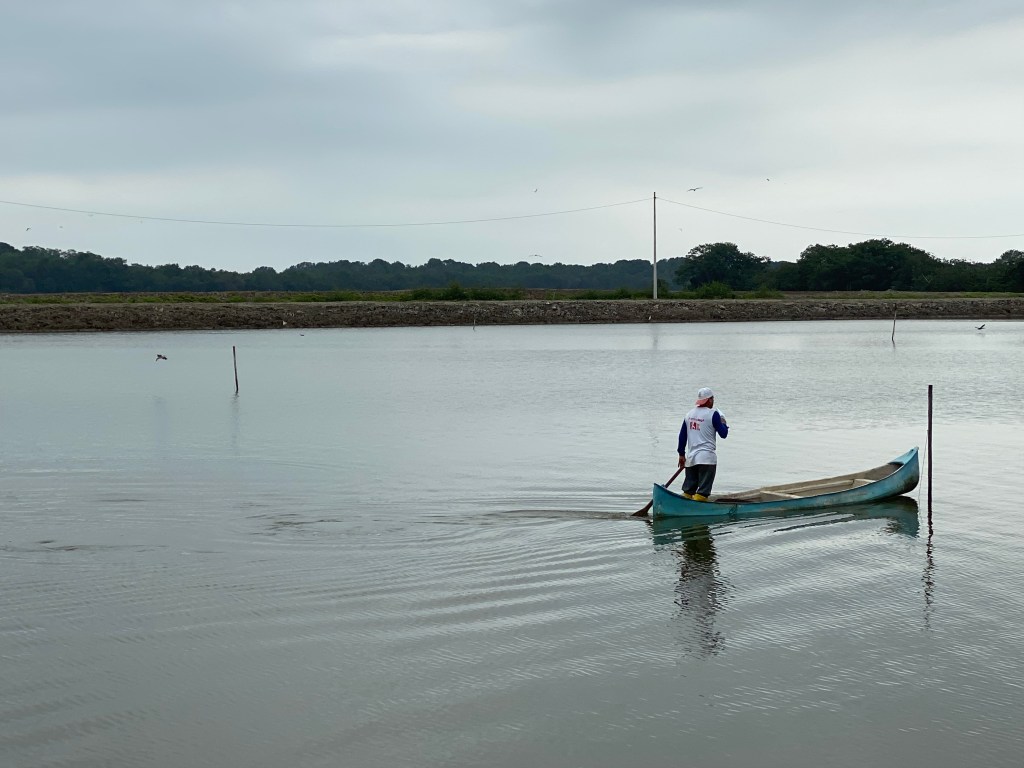
Shrimp farm in Southern Ecuador, 2023
Oct 16, 2026: This month, the New York Times published “The Dirty Secrets behind the Farmed fish that you eat,” an investigation into the impact of fish harvest and fish farming on the planet. I’ve seen some of what the article describes firsthand. I’ve also spent my career trying to sell seafood that doesn’t come with those secrets attached.
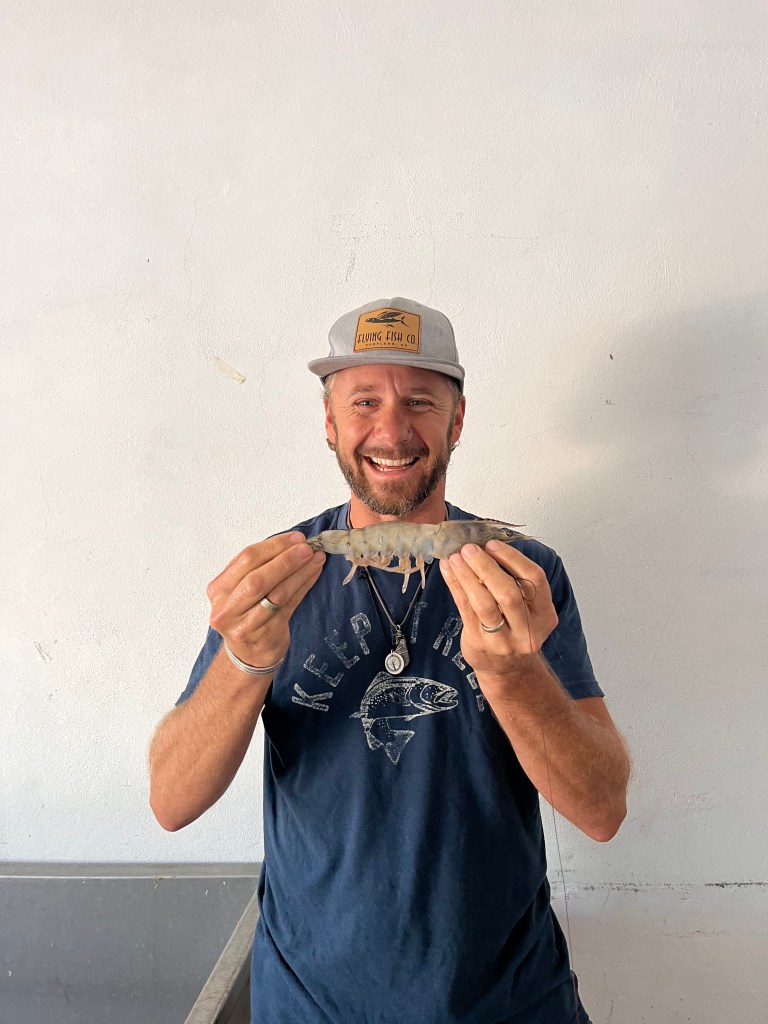
I’m the self-appointed “Chief Fishmonger” at Flying Fish Company, a fish market and restaurant in Portland, Oregon. It’s a fun title, but the job behind it is serious: making sure everything we sell meets my standards. With today’s global seafood trade, that’s increasingly difficult.
Over the past few years, reporters and filmmakers have exposed labor abuse, illegal fishing, seafood of unknown origin, overfishing, and marine mammals killed both deliberately and as bycatch. Every time a new story breaks, I hold my breath and wonder whether the work we do on sustainability makes any difference against people willing to profit from any resource they can find. I believe it does. Here’s why, starting with a shrimp farm in Ecuador.
Weekends on an Ecuadorian Shrimp Farm
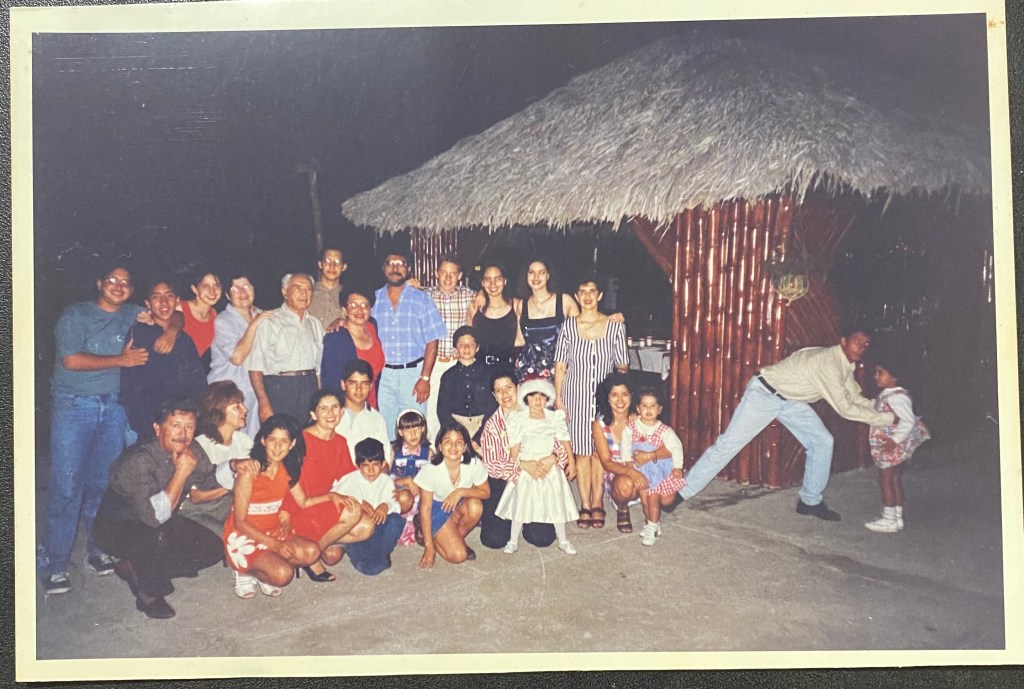
In 1996, as a high school junior, I spent a year in Ecuador as a Rotary exchange student. One of my host families owned several large shrimp farms a 30-minute boat ride from Machala, and we spent our weekends there. I fell for aquaculture: the math, the husbandry, the harvest. I also saw things that bothered me, though I didn’t yet understand why.
The water. At harvest, the ponds were drained completely, and the sludge from the bottom was flushed into the canals. Neighboring farms filled their ponds from those same canals.
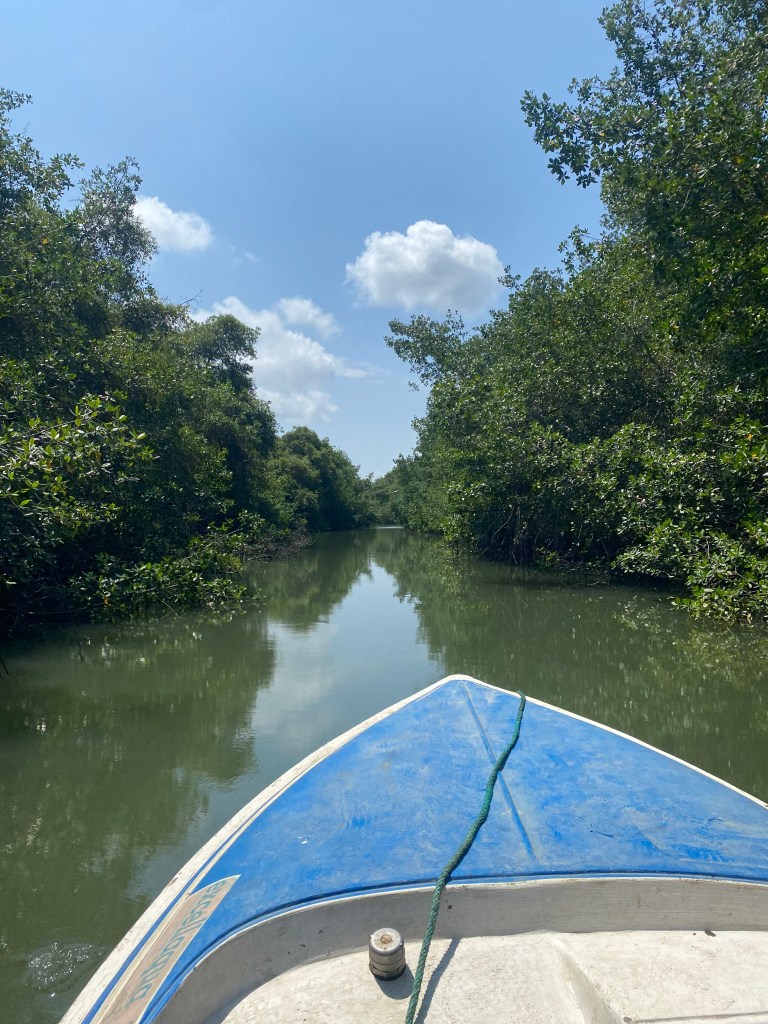
The mangroves. The farms had been carved out of mangrove forest. Thousands of acres were cleared to dig the ponds, destroying habitat for birds, fish, and countless other species that depend on those dense coastal jungles.
The chemicals. Straight out of the pond, live shrimp were dumped into a pool-sized tank of what I now know was sodium tripolyphosphate. It keeps shrimp moist and slows spoilage and the darkening of the heads. The industry uses it widely, in scallops too. It’s legal, but it isn’t something I want to eat or sell.
Those weekends are a big part of why I went on to study aquaculture at Harbor Branch Oceanographic Institute in Fort Pierce, Florida. That’s where I learned about the part of the industry I’d never seen on the farm: the feed.
The Fish That Feed the Fish
As the Times points out, farmed fish and shrimp are raised on feed that relies heavily on fishmeal. Fishmeal comes from small wild fish, known as forage fish, that are caught by the millions of tons and ground into meal and oil. Those little fish are the base of the ocean’s food web, feeding larger fish, marine mammals, and seabirds. Most of the rest of the feed is grain from monocrop agriculture, with its own baggage of fertilizer runoff and soil loss.
In 2022, I returned to Ecuador for the first time in 26 years. My host brother, Luis Arturo Granda, now owns several shrimp farms and a hatchery, and is part owner of a shrimp farm and hatchery near Brownsville, Texas, called Trans America Farms. He learned the business from his father, Fernando Granda, who has spent 50 years in the shrimp industry, and he’s one of the sharpest, hardest-working operators I know.
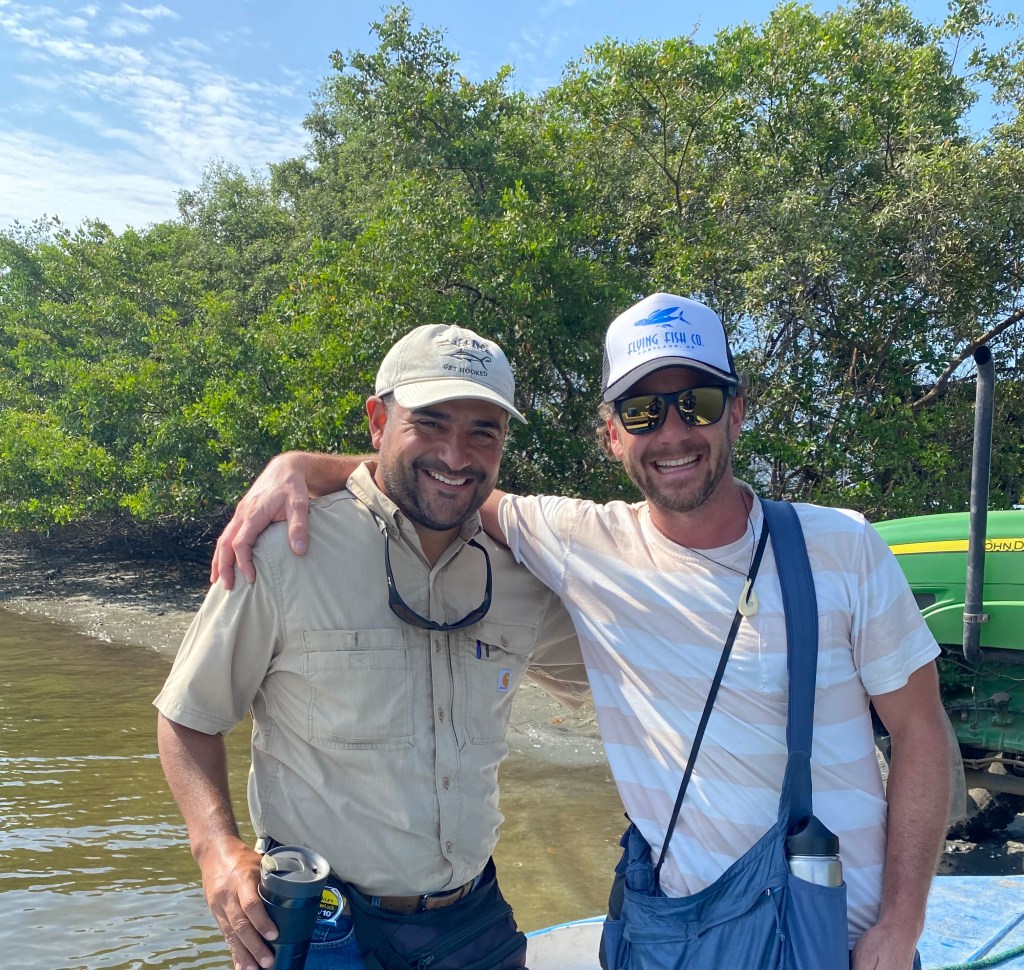
I asked Luis why farms don’t switch to feed made without fishmeal. His answer was simple: the alternatives don’t grow shrimp as fast or as reliably. Even fishmeal made from processing scraps like heads and bones has less oil than Peru’s rich anchovy meal. As long as anchovy derived fish meal stays cheap and plentiful, he said, alternatives won’t catch on.
That’s hard to argue with. No farmer wants to pay more for feed that works less. And honestly, most of us make the same calculation. People want to do right by the planet, but when sustainable choices cost more or take more effort, we tend to go back to what’s cheap.
Change Is Coming Anyway
Two things could shift that math.
The first is innovation. For more than a decade, researchers and companies have worked on fishmeal-free feeds. The F3 (Future of Fish Feed) Challenge, a collaboration among nonprofits, researchers, and private partners, rewards companies that develop and commercially sell feed without fishmeal. Efforts like this are building the alternatives the industry will need.
The second is scarcity. Peru runs the world’s largest anchovy fishery, but [this month / as of date] it canceled its anchovy season for the second time in a row. Fishmeal prices are soaring, and feed makers are being pushed to look elsewhere. Luis’s tipping point may be closer than anyone expected.
One place they could look is Alaska, which produces a large share of America’s seafood. Most of it is filleted there, but many plants don’t process the heads, bones, and scraps into fishmeal, because the equipment is expensive and the plants are remote. As a result, we catch wild fish and then throw away much of each fish. As forage fish grow scarcer, I hope Alaska’s processors invest in fishmeal plants. That would make use of the waste and add revenue in an industry with famously thin margins.
How We Buy at Flying Fish
You’ll often see certification labels on seafood. Best Aquaculture Practices (BAP) evaluates farms on husbandry and on their use of chemicals, antibiotics, and preservatives. The Marine Stewardship Council (MSC) certifies wild fisheries, and the Aquaculture Stewardship Council (ASC) certifies farms. Big retailers like Whole Foods require this kind of certification from suppliers.
We use two other sustainability ranking programs. First is The Monterey Bay Aquarium’s Seafood Watch Restaurant program. Monterey Bay Aquarium is a champion of ocean conservation and they work with partners to bring that mission straight to the dinner table. The Seafood Watch Best Choice Restaurant Program celebrates sustainable seafood and the restaurants that serve it. Participating restaurants commit to serving at least one green-rated, environmentally sustainable seafood dish on their menu, so patrons can be sure their meal helps support a healthy ocean.
The second sustainabilty certification that we use is the Surfrider foundation Ocean Friendlly restaurant program. The Surfrider Foundation’s Ocean Friendly Restaurants program recognizes restaurants that are committed to cutting out wasteful single-use plastic and offers a simple, straightforward framework to help them make sustainable choices for our ocean. The result is a community of like-minded restaurants we can promote, support, and lift up as examples of success to influence plastic reduction legislation. The larger we grow our network of Ocean Friendly leaders, the more mainstream the concept of plastic-free becomes.
These labels are useful, but they aren’t the only measure of sustainability. Certification is expensive, and many small, well-run producers can’t afford the time and staff it takes. At Flying Fish, we don’t require a label. We hold every supplier to our own standards, and we know many of them personally.
What You Can Do
Each time you buy seafood, you’re voting for a way of producing it. Ask where it came from and how it was caught or raised. When you can, choose domestic seafood. It comes from some of the best-managed, most closely monitored fisheries in the world, it supports our coastal communities, and it’s delicious. These choices add up. Let’s fight the good fight together.


Leave a Reply