When fishermen go on strike
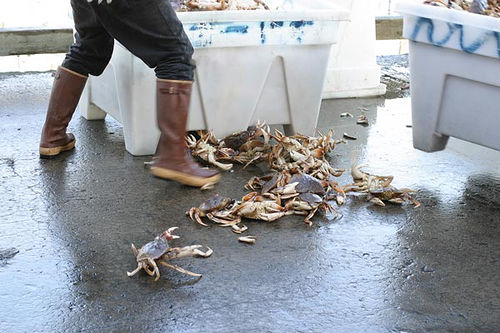
Commercial fishing is one of the most dangerous, difficult, and unrewarding industries in United States. Our local Dungeness Crab fishery in Oregon is no exception to that. “Long work hours and extreme conditions make the crab industry among the most dangerous in the United States “. It’s hard enough just to go battle the ocean and harvest crabs, then fishermen make it back to the docks and they have to negotiate and navigate their selling price to make sure it’s worth their while to risk their lives while on the ocean.
This year the Oregon Dungeness crab season has been off to a difficult start. One boat flooded, two washed overboard, one life lost. The Oregon dungeness crab traditional season opener is December 1st, although it’s been years since it actually opened on that date. Management of all fisheries in United States are overseen by the bi-partisan Magnuson-Stevens Act. This framework ensures that our fisheries are managed sustainably for the longevity of the resource, and safe for both the consumer and the fishermen.
This year the season was delayed due to the crabs not being sufficiently grown to size (also known as “fill”). This factor is completely outside of the control of fishermen, but the delay is intended to protect the consumer and the fishery, which are both important. Next, the domoic acid tests were performed and passed, which is what delayed the season last year. Domoic acid is a toxic algae that accumulates in shellfish, sardines, and anchovies and can harm humans if consumed.
Over the last couple years when the domoic acid delayed and/or closed the crab fishing seasons down for some areas in California, Oregon, and Washington there were disaster relief efforts proposed to congress for fishery disaster funds. These efforts were delayed due to regulatory loopholes which are finally being patched THIS YEAR for appropriations to take place and release funds to the hardest hit fishing communities on the west coast.
Back on the dock in Oregon, when the opening date of January 15th came around the boats stayed tied up to the docks due to price negotiation with the primary processors who buy the crab from the fishermen. The price to the fishermen was too low to make it worth the while for the fishermen to go out and fish, so they joined together in a “strike” until the processors came up with a fair price that made it worth their while to fish. When the season is open and the decision to join together and not fish is made, it seems absurd to many people, but if it’s just not worth it to fish, then they might as well just stay in port rather than work their butts off for the risk of no profit or, even worse, their lives.
In Oregon, and up the west coast many of the primary processors are owned by the same companies. When a single business entity is vertically integrated and owns many facets of the industry they have the ability to “price set” through their own facilities. The fishermen have nowhere else to go to sell their fish, so the fishermen are controlled by these massive seafood companies. There are a couple organizations on the west coast in particular who have had multiple lawsuits over the years for this type of illegal business activity. By bringing more attention to this illegal activity we can help the fishermen earn a fair price for their catch.
Soon after the opening date of Jan 15th the boats negotiated a fair price with the processors and started bringing this amazing resource back to the docks, and in turn to the local marketplace for us to enjoy. Please support your local seafood economy and purchase some fresh dungeness crab and enjoy this precious and sustainable resource.
The management of our national fisheries policy is guided by the Magnuson- Stevens Act, which was adopted over 40 years ago. This bi-partisan policy needs to be updated this year by the United States Senate. But some in congress want to undermine the federal fisheries management process by adversely changing catch limits and how they are applied, muddying the waters between state and federal management, and allowing political and economic considerations to override science in management decisions. The move could leave the fate of our fisheries to special interests and weaken the tenants of the Magnuson-Stevens Act. CONTACT your state representatives in the United States Senate and let them know that the core conservation measures need to be maintained in the Magnuson- Stevens Re-authorization this year in the Senate.
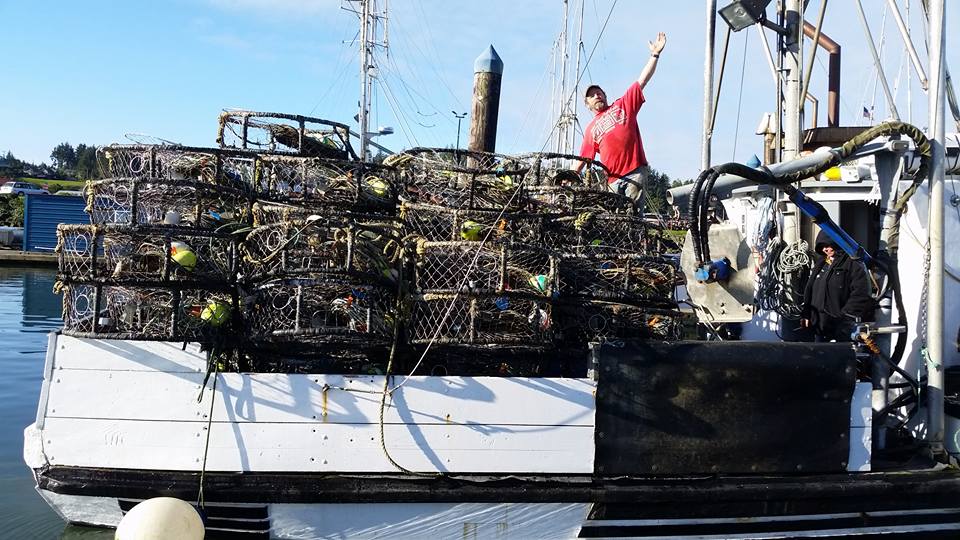
Photo credit: John Blanchard Coos bay, OR
Lyf Gildersleeve is a 2nd generation fishmonger and member of the Marine Fish Conservation Network policy council. He owns Flying Fish Company in Portland, Oregon and has two young kids. oregonfreshfish@gmail.com
 Sustainable Fishmonger
Leave a comment